Storyblocs
₵25 a Week Isn't Failure. It's the Price of Money That Can't Lose.
Phundit and why the first rule of an emergency fund is refusing to chase returns.
July 15, 2026Brif Africa

Explore by Topic
Got a story to tell?
60 seconds. Your journey. Get featured on Storyblocs.

We envision Africa, unfiltered — connecting builders, professionals, and decision-makers to the systems shaping the continent's future.
Phundit and why the first rule of an emergency fund is refusing to chase returns.
Accra hosts about 921 print shops with almost no accountability for deadlines. Printmote, started mid-2025 by Yaw Antwi-Owusu, coordinates a network of vendors, giving designers a single point of accountability and a money-back reprint guarantee if promises aren’t kept. It bills itself as Africa’s print‑economy growth infrastructure, but its asset-light model faces stability risks as it scales beyond weekly orders.
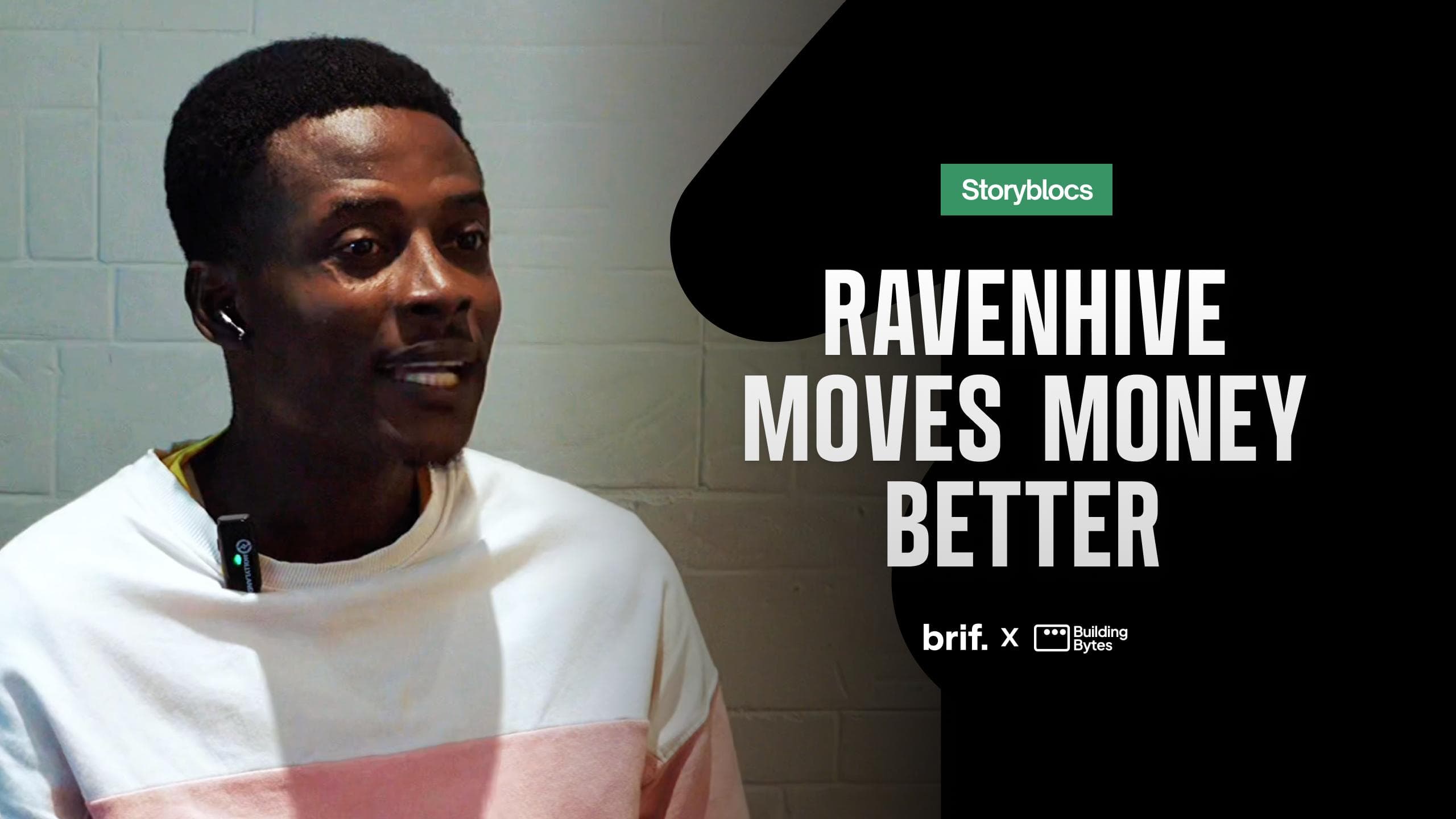
In Africa, most fintechs' sleek interfaces still route funds through legacy banking systems, creating an illusion of innovation. The market focuses on visibility rather than real infrastructure. Ravenhive's Biriel NiiArmah Tagoe argues for building new payment rails: real-time money movement, direct regulatory compliance, and autonomous liquidity management. If infrastructure-led platforms succeed, the era of the fintech middleman ends; evaluation should measure whose infrastructure actually moves capital, not interface polish.
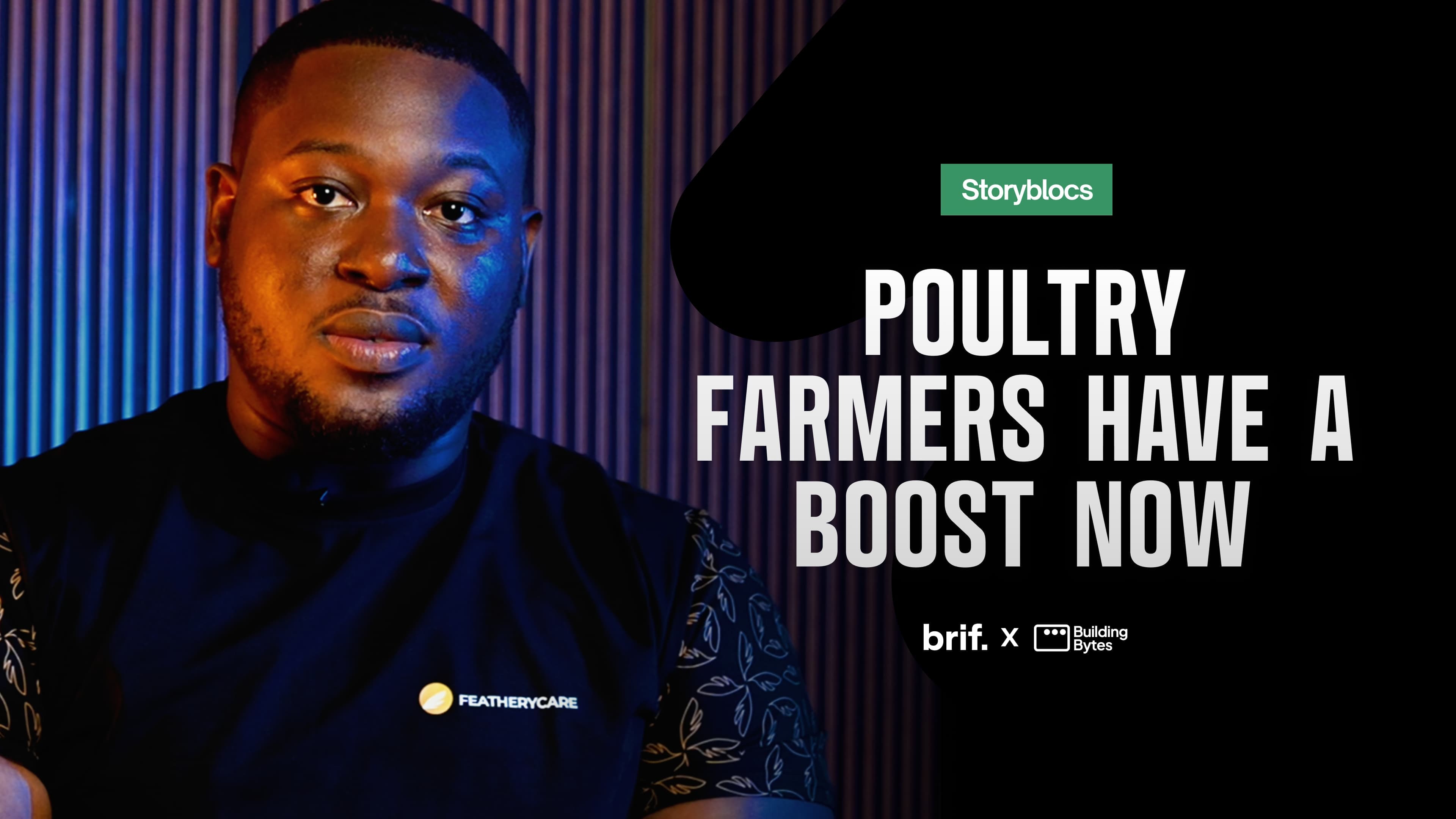
Ghana spends over $400 million annually importing chicken it could produce at home. The constraint isn't land or labour, it's data. Featherycare AI is building the intelligence layer that African poultry farmers have never had.
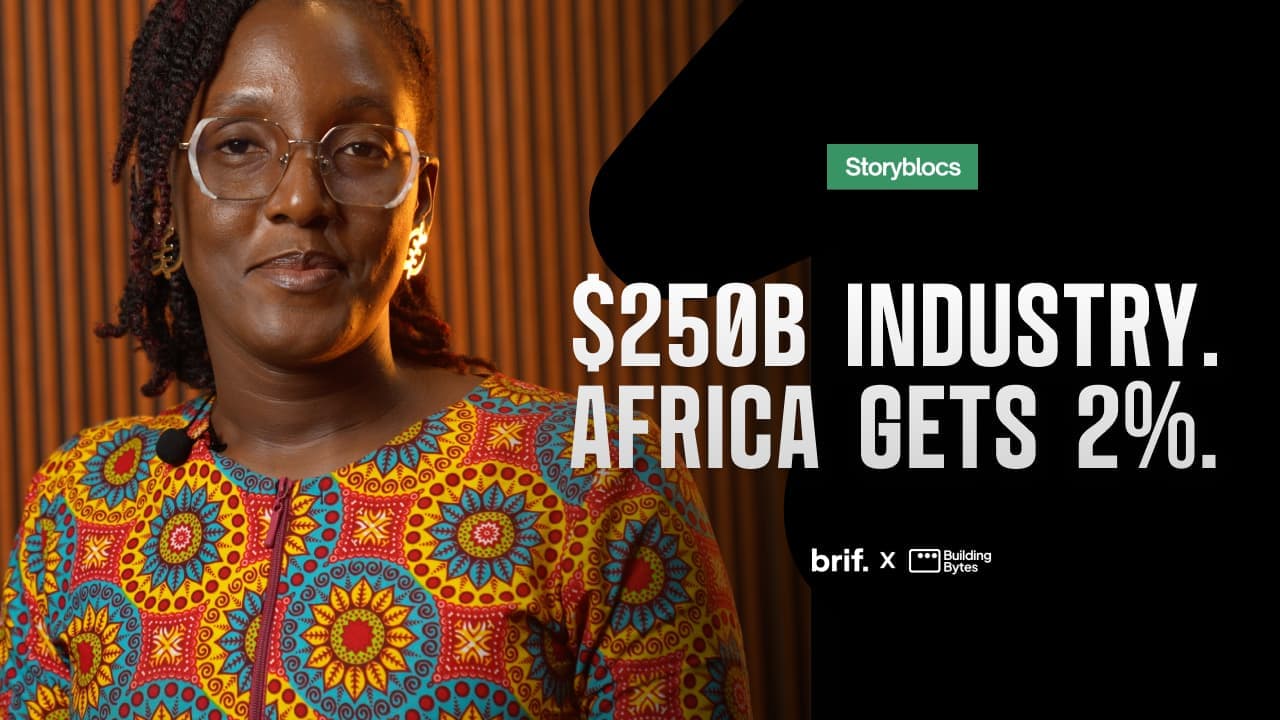
Africa’s share of the $250B global creator economy is about $3B, hampered by payment rails favoring US banks. The piece argues every creator platform is really a payments company, built on Stripe/PayPal. CrowdPen reverses this, building African rails (M-Pesa, MTN MoMo, Airtel Money) with creators paid in local currencies, weekly payouts, and an 80/20 revenue split. The question: can platforms scale on owned rails and ensure data control?
Storyblocs — The Skill Club and the gap between knowing how to build and being allowed to.
One month after the launch, every concrete step the government took made Ghana better at learning AI. None of it made Ghana better at building it.
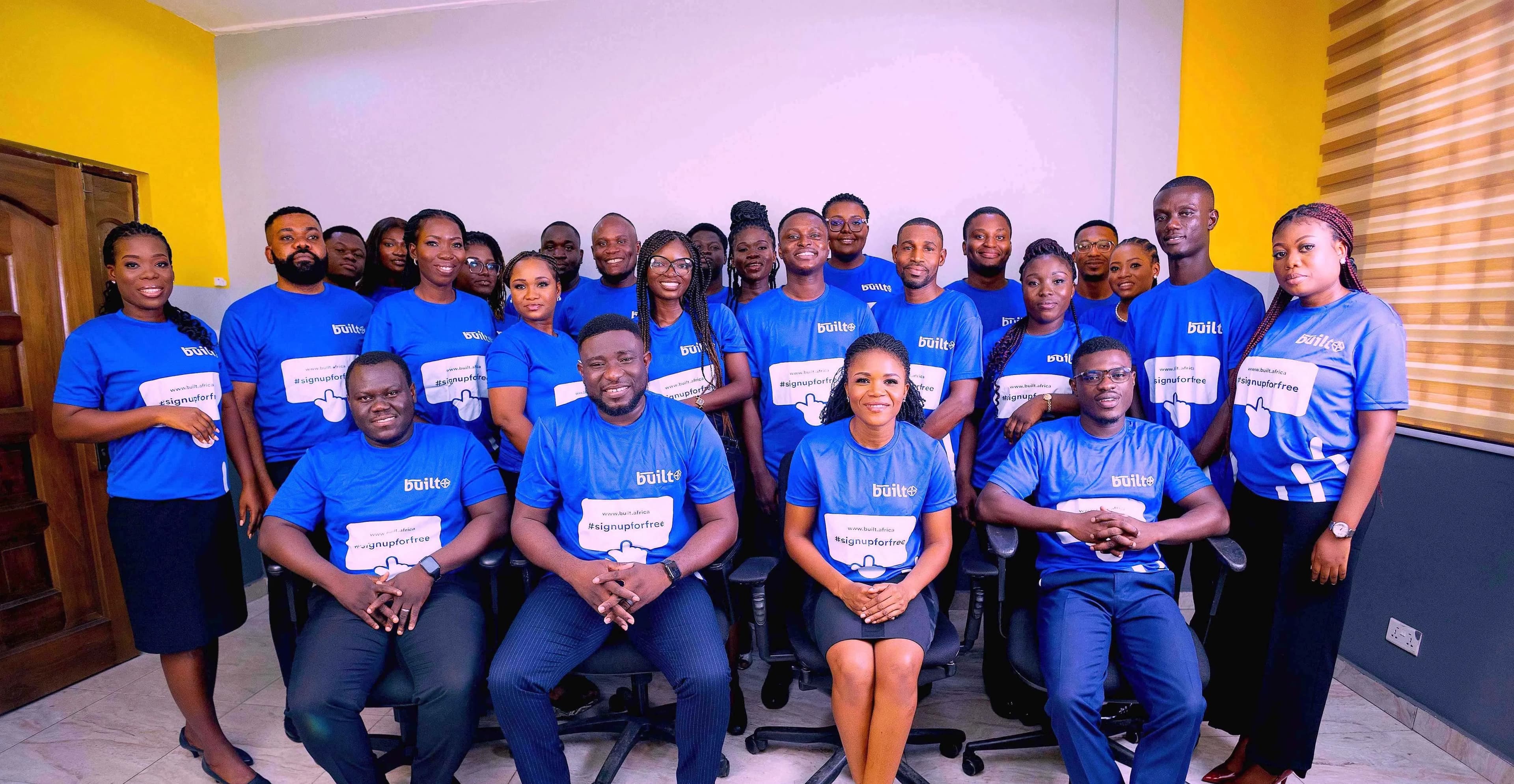
Built Financial Technologies tackles Africa’s SME ‘legibility gap’ in trade finance. Since 2016, it has built a mobile-first platform that makes SMEs traceable: invoicing, automatic accounting, payroll, expense, and inventory tracking, and real-time reports.
Ghana's $7 billion trade finance gap isn't, primarily, a capital problem; it's a legibility problem. The corridor is being built. The SMEs it's supposed to serve still aren't.
Ghana’s payment rails work. GHS 4.54 trillion moved through mobile money last year alone. So why does every African transaction still cost more than it should?
Logistics costs in Africa capture up to 40% of a product's value. While policies like AfCFTA promise relief, builders are actively routing around legacy systems entirely by formalizing the continent's oldest logistics network: human movement. Why P2P logistics is the structurally correct bet for African commerce.
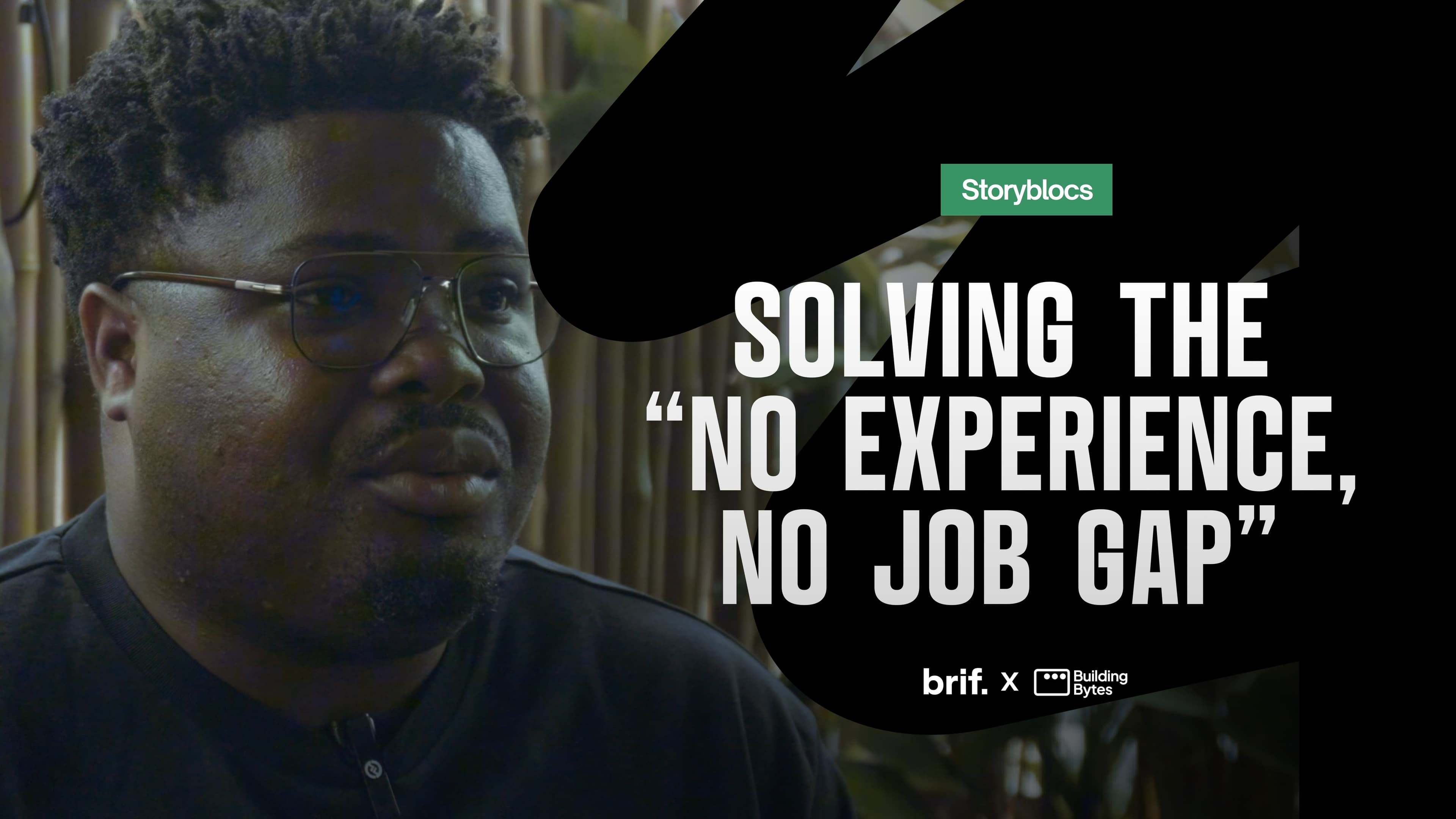
Ghana just launched a $270 million AI strategy promising to build the continent’s digital future. On Workers’ Day 2026, nearly half of Accra’s youth cannot find a job. Both things are true at once. What does this mean for the African Builder?
What a single loan reveals about the distance between financing ambition and operational readiness in Africa's boldest indigenous mining experiment.
Winning awards is visible. Building institutions is harder. While the world celebrates Ibrahim Mahama’s Arnold Bode Prize, the real story isn't the award itself; it’s how he is actively converting global prestige into physical infrastructure in Tamale. He isn't just making art; he is redistributing gravity.
The 2025 Ghana Tech Ecosystem Survey paints a picture of a workforce with global-grade skills and local-grade compensation. 286 professionals told CodenCocktails what's really happening.
The rapid adoption of AI coding agents is shifting African developers from system architects to mere "system wardens." While AI removes the friction of writing boilerplate code, it lacks the deep, nuanced context required to build for African infrastructure (e.g., fragmented payment gateways, offline-first ledgers, localized trust systems). The central argument is that if we outsource our core logic to AI agents trained on Western assumptions, we risk building generalized platforms that fail against our local realities.
Ghana’s tech industry is rapidly evolving, driven by a young and dynamic workforce. As the country aspires to become Africa’s tech hub, it is crucial to understand its growth, trends, challenges, and future potential.
In a country where an estimated 60% of startups in Accra fail within their first five years, scaling an enterprise is no small feat. Yet, Celia and Peter, the founders of Bonobo Concept Store, have managed to defy the odds and build a flourishing furniture business right here in Ghana.
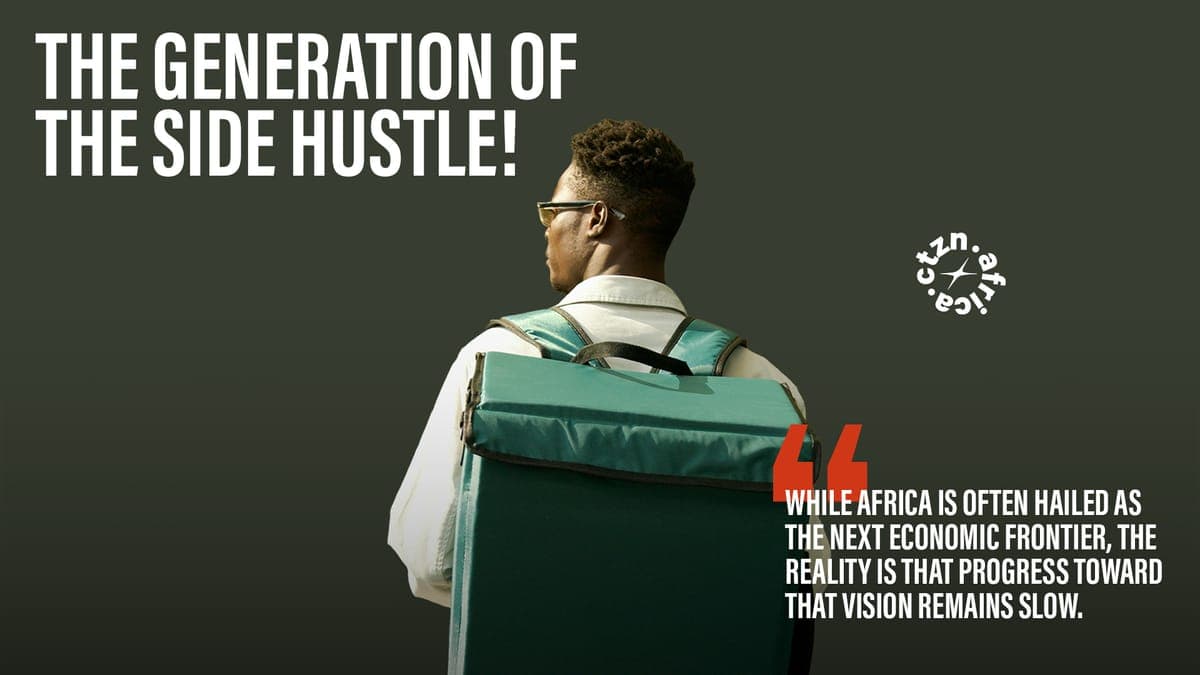
Ghana operates within a low-income economic structure, evident in how our economy responds to shifts and how investors assess opportunities here. While Africa is often hailed as the next economic frontier, the reality is that progress toward that vision remains slow. The absence of foundational infrastructure continues to hinder development, and much of the optimism surrounding Africa’s growth is often clouded by vanity metrics rather than tangible progress.
Started as dEX Artmosphere in 2018, the dEX Design Conference is now Ghana’s leading creative gathering, hosting 5+ events, 6,000+ attendees, and 30+ speakers from across Africa.