Skip to content

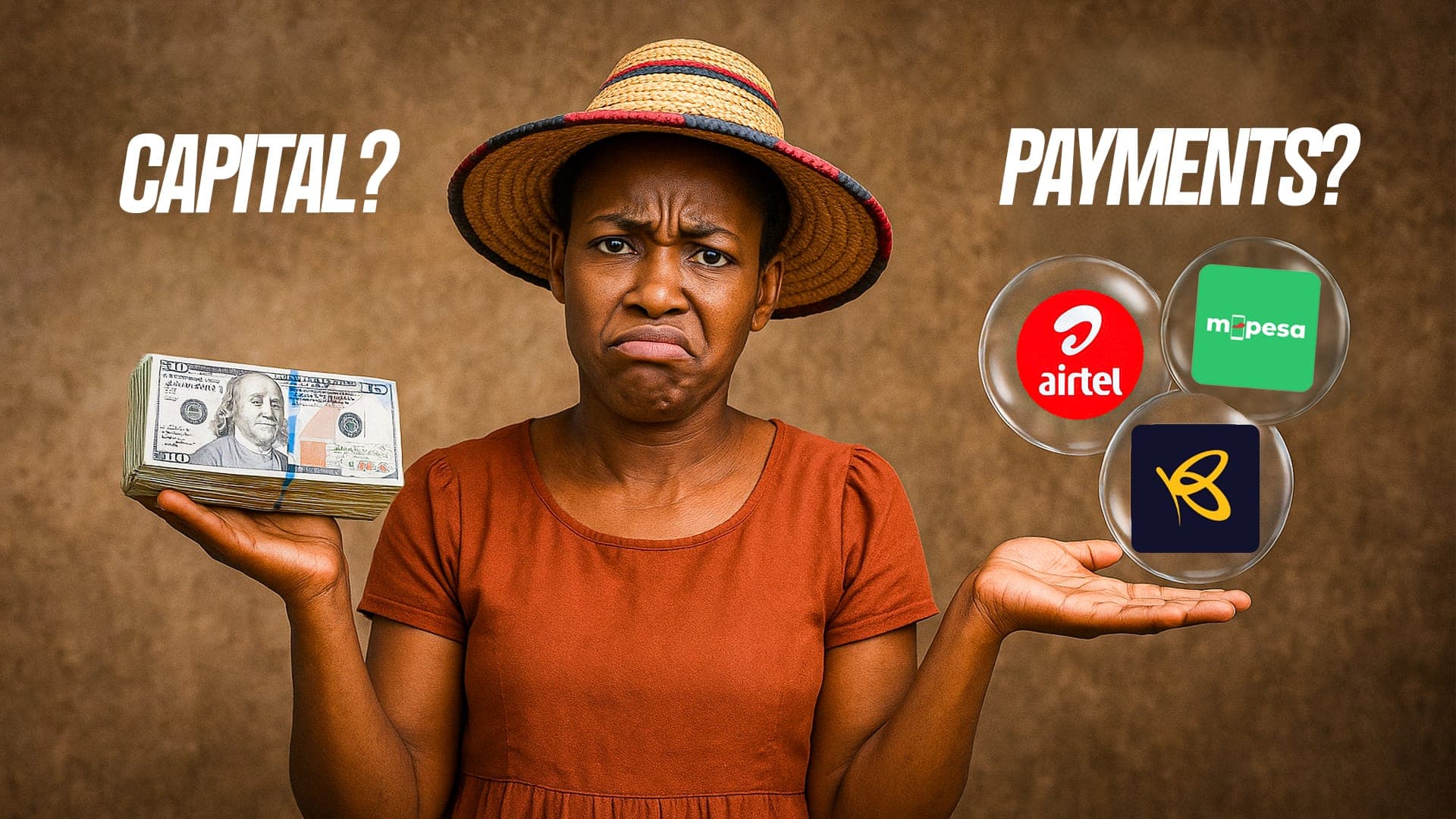
Does Africa Need More Payment Solutions or More Business Capital?

Over the years, Ghana has witnessed a fintech revolution that is reshaping its economic landscape. With over 70 active fintech companies now driving more than 60% of electronic payment services, the country is rapidly transitioning from cash dependency to a thriving digital economy.

April 4, 20251 min read
Does Africa Need More Payment Solutions or More Business Capital?

Over the years, Ghana has witnessed a fintech revolution that is reshaping its economic landscape. With over 70 active fintech companies now driving more than 60% of electronic payment services, the country is rapidly transitioning from cash dependency to a thriving digital economy. Since 2020, this sector has attracted over $200 million in investments, cementing Ghana’s position as a rising fintech hub in Africa.

Watch full video here.

One company at the forefront of this transformation is Payaza. As a fully licensed fintech player, Payaza is not just providing digital payment solutions but actively fostering the growth of small and medium-sized enterprises (SMEs). Through its SME Thrive Initiative, the company is investing GH₵15 million to empower local businesses, helping them scale and compete in an increasingly digital world.

In an exclusive interview, Payaza’s leadership revealed how their platform enables SMEs to grow 30% faster than non-digital competitors by providing seamless payment processing, global collections, and instant payouts. Beyond transactions, Payaza is building financial infrastructure that enhances financial inclusion and unlocks new economic opportunities for Ghanaian entrepreneurs.

With fintech innovation accelerating, Ghana is on track to become a leading digital financial hub in Africa. Companies like Payaza are not just shaping the future of payments—they are redefining how businesses access financial tools, scale operations, and contribute to economic development.

Share this story

Related Stories

Storyblocs

$150 Million. Over 20 Countries. Fundvestor Is Betting the Bottleneck Was Never Capital.

Fundvestor argues Africa’s fundraising bottleneck is an information problem, not a lack of capital. By focusing on founder readiness and genuine investor intent before introductions, it reframes the choke point from outreach volume to quality of connection. Founders across 20 countries have requested $150 million in funding on the platform, signaling widespread demand and the need for better preparation, not more deals.

August 19, 2026Gideon Banks
Storyblocs

The 80% Fintech Illusion: Building Rails Versus Wrappers in African Payments

In Africa, most fintechs' sleek interfaces still route funds through legacy banking systems, creating an illusion of innovation. The market focuses on visibility rather than real infrastructure. Ravenhive's Biriel NiiArmah Tagoe argues for building new payment rails: real-time money movement, direct regulatory compliance, and autonomous liquidity management. If infrastructure-led platforms succeed, the era of the fintech middleman ends; evaluation should measure whose infrastructure actually moves capital, not interface polish.

July 1, 2026Brif Africa
Storyblocs

Every Creator Platform Is Secretly a Payments Company. CrowdPen Said It Out Loud.

Africa’s share of the $250B global creator economy is about $3B, hampered by payment rails favoring US banks. The piece argues every creator platform is really a payments company, built on Stripe/PayPal. CrowdPen reverses this, building African rails (M-Pesa, MTN MoMo, Airtel Money) with creators paid in local currencies, weekly payouts, and an 80/20 revenue split. The question: can platforms scale on owned rails and ensure data control?

June 10, 2026Brif Africa